
Some travelers may want to visit the same Mediterranean island in 2026 where they have enjoyed vacations every summer for the last 12 years, whereas others have already planned the projects that must be completed at the summer cottage during the vacation. Still, if we look at the millions of tourists who will travel somewhere they haven’t visited before, we can discover trends that are gradually changing how and where we travel. Here is our take on travel trends for 2026.
Road trips rather than flying
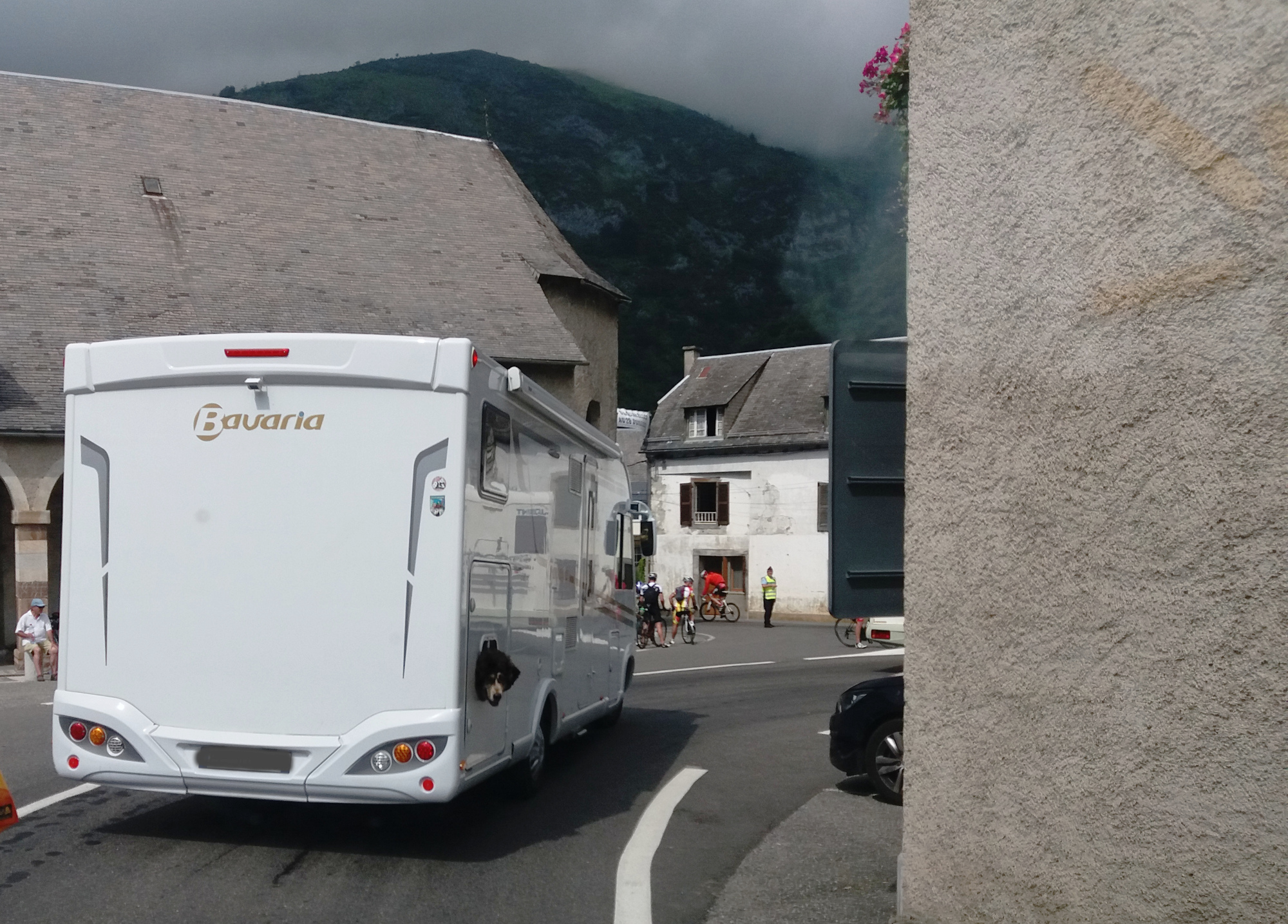
76% of global car travelers say they favor road trips over flying because it allows for more spontaneity, allows people to go where they want, when they want. This was a result from Hilton’s report for travel trends 2026. Particularly US travelers intend to enjoy vacations on four wheels. In Europe, campervan travel trend has grown during the last 10-15 years considerably. Campervan parks and camp sites, for instance, in France and southern Europe can be fully booked in October and March, which wasn’t the case in the last decade. Many municipalities – particularly along the Mediterranean coast – have been slow to respond with relevant services to the growing number of winter escapees who arrive in a campervan, and want to stay in it. It is easy to forecast that services will be available soon because many of these regions depend on tourism.
Pets travel as well
Pet owners who travel in a campervan have noticed that many fellow travelers also bring their pets along in their van. Something like 99% of these pets are dogs. Many also mention that dogs are the reason the have a campervan because it is easy to have them onboard. Now, this trend is coming to trains and airplanes as well. For instance, in Italy, airlines are allowed to let medium and large dogs into the passenger cabin. In China, Beijing-Shanghai train is piloting pet-friendly journeys. A couple of years ago in Finland, I discovered a window seat in an empty train coach. At the next station, a dog entered the coach (with his or her owner). Gradually, more dogs walked in at each station. Soon, I had lots of furry friends in the coach. I hadn’t spotted any signs in the train that the coach was for dogs, but the next time I hop on a train in that Nordic country, I’ll find it (it was the last or the first coach, I think).
Artificial Intelligence (AI) assists travelers
AI has rapidly become an all-around oracle for people who are looking for answers for their problems, solutions for complex issues, or assistance for planning their holidays. Hopefully, everyone remembers that today’s AI technology is far from perfect, and may hallucinate when it doesn’t have a direct answer. A report by Amadeus points out that 46% of travelers already trust AI, especially, when they are planning a journey. Today, travelers are likely to access AI chat services like ChatGPT for assistance, but the next step – AI integrated into maps, travel guides, and travel reservations – is something we expect in 2026.
Calm and quiet
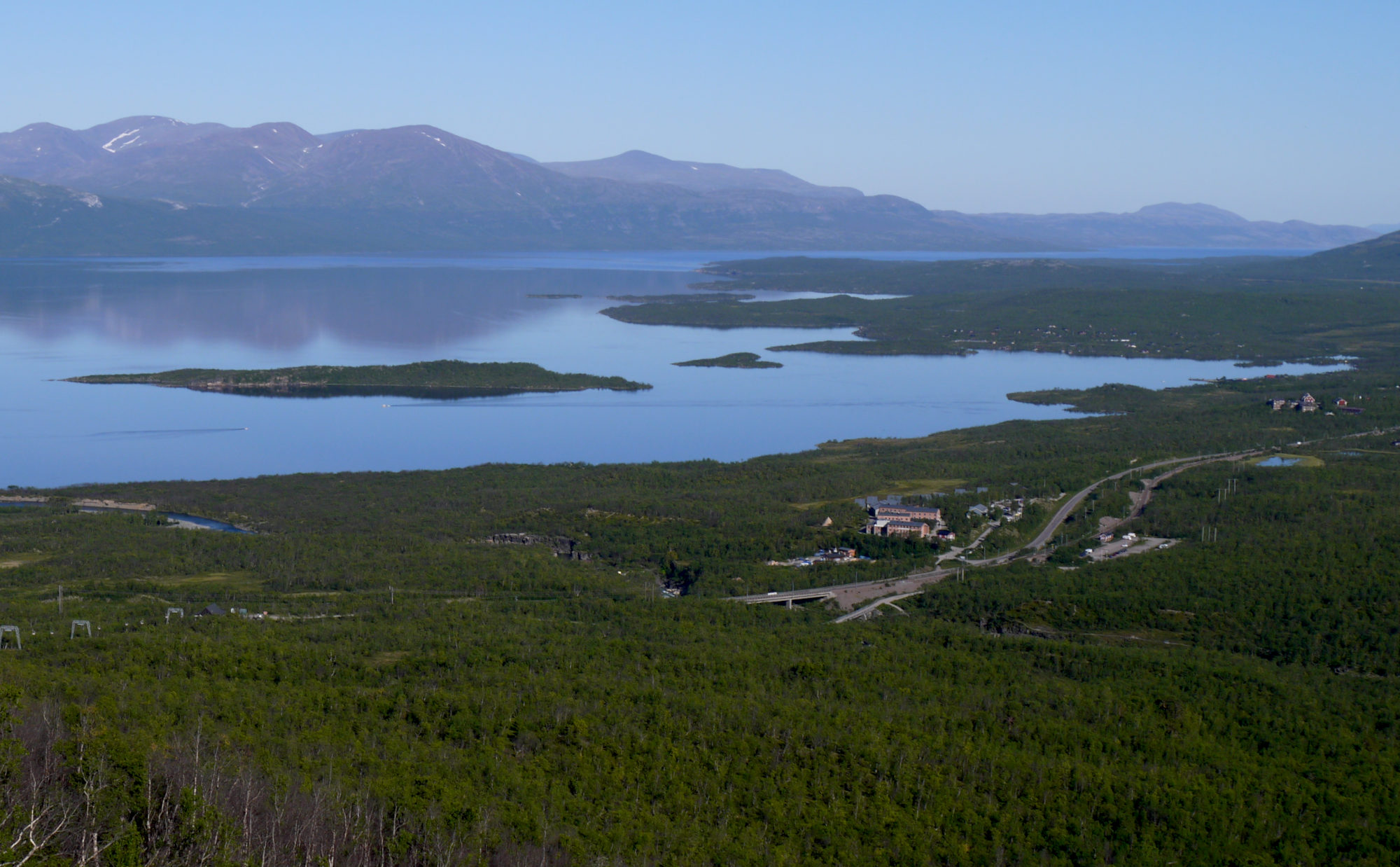
It is possible to find a quiet and peaceful corner, for instance, in Berlin or Rome, but it can be difficult to calm down knowing that a busy, dynamic city is buzzing out there. Silent retreats and vacations in a place where the major sources of noise and activity is the wind, waves, birds and nature in general are something an increasing number of people want to experience. According to Hilton’s global research, number one motivation to travel for leisure in 2026 is to rest and recharge (56%). Other top reasons to travel include spending time in nature (37%), improving mental health (36%), and having quality time alone – me time (20%). It is fascinating to follow how regions like Lapland in north Europe that have been the hidden gems of quiet, nature-friendly off-the-beaten-path travel have finally succeeded as tourists are conquering towns such as Rovaniemi. Well, no reason to panic since there is thousands of kilometers of pure natural wilderness outside the urban area even if Rovaniemi feels overcrowded during the peak season.

Regions that mass tourism hasn’t discovered (yet)
Probably nothing will change the fact that many tourists will still insist visiting Venice, Paris, London, and Barcelona in 2026 and many years after that, but once a tourist has done it, off-the-beaten path destinations should be a realistic option for them. It is impossible to find a destination where no tourists have visited, but it is certainly possible to easily find attractive regions that are renowned in the country, but not necessarily overseas. For instance, Spain is often regarded as a country of sunny beaches, or cities like Valencia and Bilbao. But travelers who want to find wonderful historical cities without crowds head to the province of Extremadura. Never heard of it? Exactly, only some Spanish tourists have been exploring the four key cities of the region when I have been there.
Popular culture destinations
This trend has been tipped many times before but it still has potential to develop. Destinations that have sparked our interest in TV series, books, movies, or in other popular culture works. One of the early signs of the trend was triggered by the Lord of the Ring movies when fans traveled to New Zealand to explore the locations where the movie was shot. Once I accompanied a group that toured southern Sweden for locations where Kurt Wallander, the protagonist in Henning Mankell’s books frequented. Harry Potter books and movies are perhaps the reason to visit Britain for many fans.
The trends introduced above were drawn from reports produced by travel industry such as Amadeus, Hilton and media, like the BBC. None of the reports listed train as a trending travel option for 2026. Yet, an ongoing investment cycle in railways and trains in Europe has already made available more night trains, high-speed trains, and routes. Countries, like Germany, Portugal and Spain have introduced travel passes that allow the use of public transport, including local trains for a low price.