
Only a few weeks ago, nitpicker celebrated the first year with an electric van. Despite a few beginner hiccups, we had far more positive than negative experiences during our EV road trips during this time. All and all, everything was fine until the Halloween weekend when our journey turned into a nightmare. Suddenly, I couldn’t charge the van from public chargers anymore.
During the Halloween weekend, we had decided to visit a town on the mountains to participate in the annual medieval festivities. There was a medieval market, street food market, an exposition area for local businesses, and thousands of happy people. The town was so far from the home charger that I knew I would have to charge the van at the destination to be able to drive back home. I had verified from a map that fast chargers were available in the town.
At the destination, it was time to charge the battery of the van. The battery level was below 30% after a drive up mountain roads. There was no way it would be enough to take us home – even with the downhill boosting battery energy.
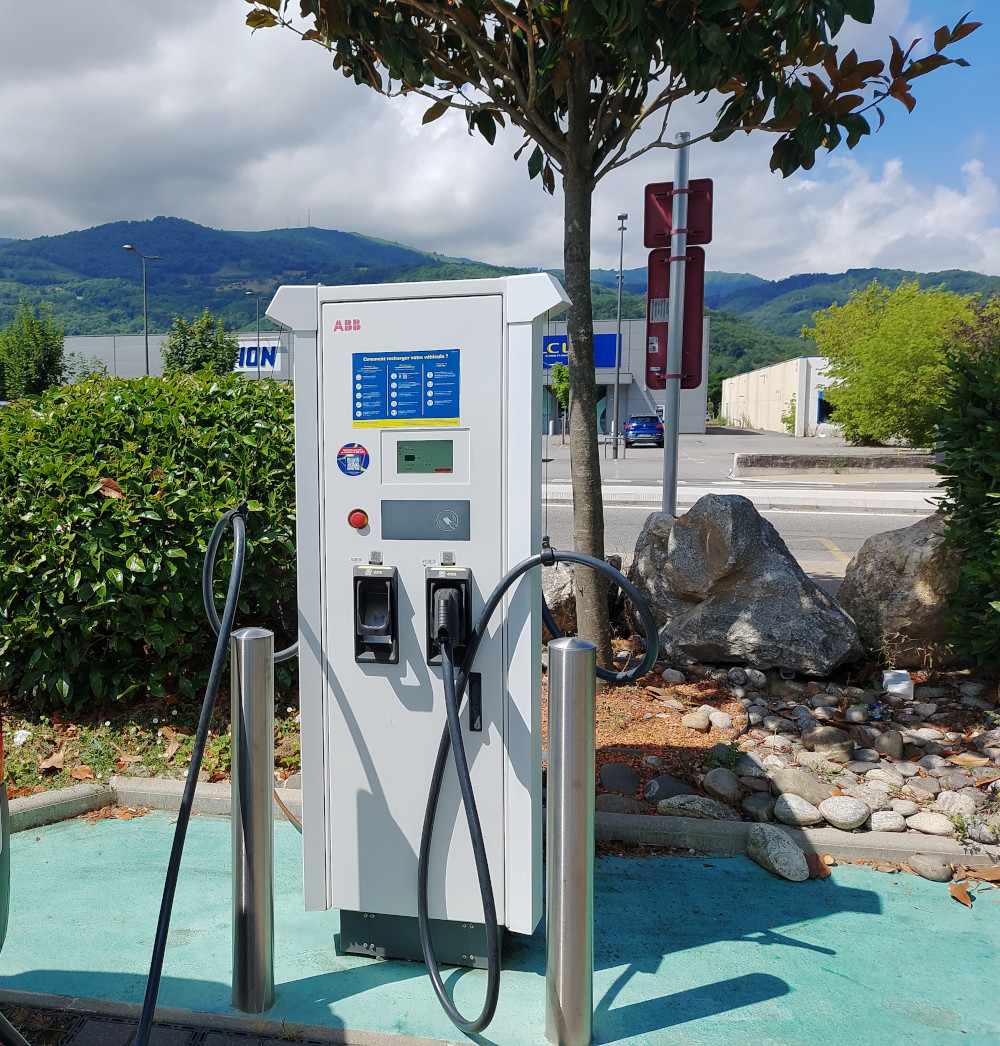
I offered my RFID charging card to the charger. Not authorized, it said. Strange. I tried another charging card. Not authorized. Since our road trips tend to take us across borders in Europe, I had a third charging card, just in case. The same result – not authorized for the third card as well.
What went wrong? Only a few weeks earlier, we had completed a 2000 km road trip in two countries using exactly the same three charging cards. Not a single problem. Was it a glitch in the charger? A quick look at the charger map app confirmed that a fast charger from another company was nearby. After navigating to the second charging station, the problem was confirmed. Suddenly, none of the RFID cards were authorized.
The RFID charging cards had been so reliable that I didn’t have any charging apps on the phone. It was about the time to try an app or two. I searched for an app specific to the charger, but it didn’t exist. But wait, I had the apps for the charging cards. I tried each and every one of them, but no. None of them worked. Each one spitted out a mysterious error message that didn’t explain what was going on.
We were stranded. The road to salvation was to call a tow truck to take the van back to the home charger. But since I didn’t know what the problem was, I decided to use the last drops of energy in the battery, and find every charger in town we hadn’t tried yet. Then, if required, I would call the tow truck. Sure, it was the same ‘not authorized’ story at each charger. Only one more charger to try. The battery level had dropped as low as our mood when I saw a shiny new super fast 150 kW charger. It provided two payment options: an RFID card and an ordinary credit/debit card.
The credit card payment went through faster than the speed of light. The battery was charged quickly as well. We were safe, and delighted. But what the hell was the problem exactly? What had happened to the EV charging stations? Or was there something wrong with my RFID cards?
At home, I carefully studied each charging card account for clues. What I found was nothing useful – no alerts, no messages, no reminders, no information about anything related to authorization problems, or any other problems. All cards had green activated status. Next, I logged in to the bank that had issued the payment card I used for charging. No problem reports. All good.
I had multiple charging cards to minimize the risk of getting in trouble with chargers, but they were all tied to the same bank account. Could the bank be the problem? It was easy to test. I changed the payment method of one of the charging cards to another credit card issued by another bank. Next day, even though the home charger had topped up the battery, I drove to a charger. I offered the charger the RFID card that I had linked to another bank. Yes! It worked.
The problem was the bank (or the payment card company, but because the bank is responsible for the actual payment transfers, I’m blaming the bank). Without informing me, the bank had stopped transmitting payments to the companies that managed the RFID cards. They were the same companies whose charging cards had worked fine for a year already.
The outcome of the Halloween nightmare trip was this: do everything possible for avoiding similar incident happening for the second time. The nitpicker decided to improve two things in the EV charging strategy for road trips: 1) download charging apps and test them before the next trip for having a backup for RFID cards, and 2) sign up for another bank, transfer charging card payments there, and cancel the unreliable bank account.
Here is an article that explains major charging networks by country in Europe and RFID cards and/or apps that go with them.