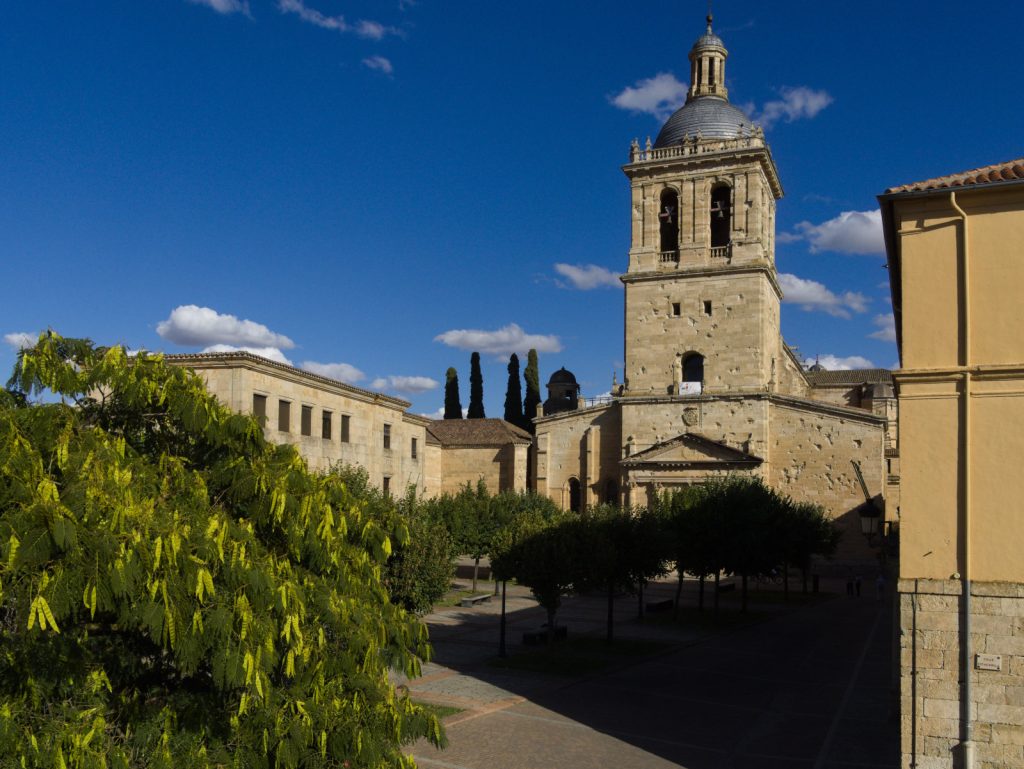
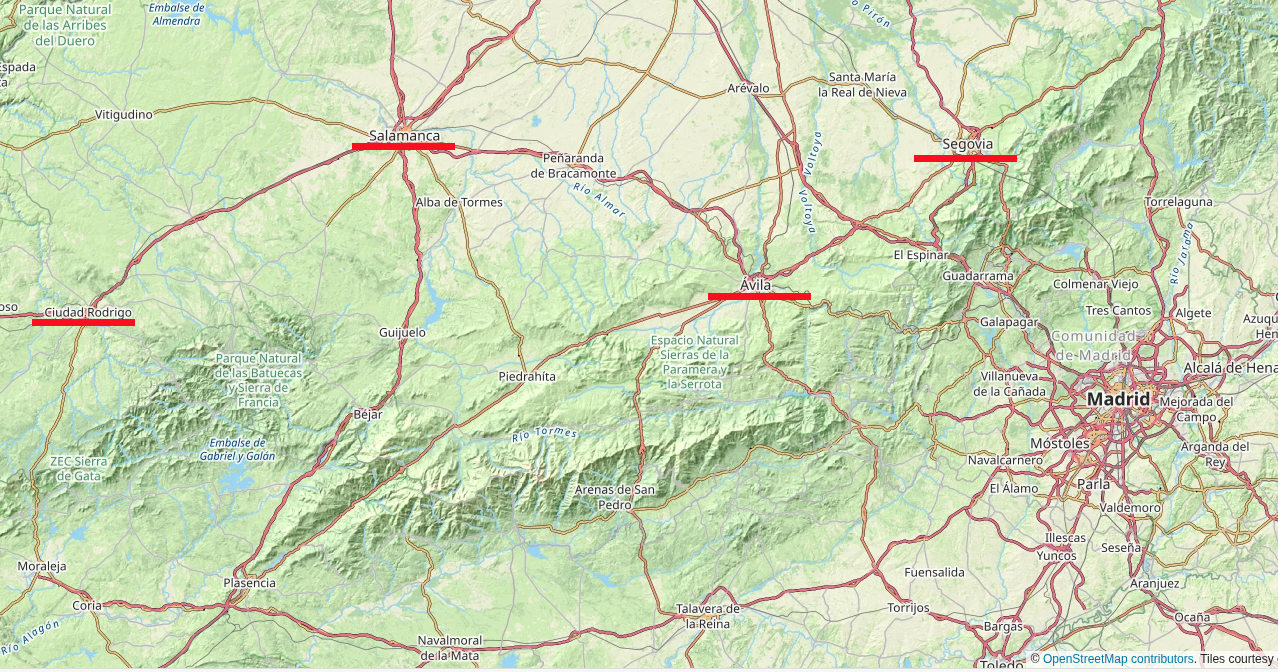
Spain’s capital Madrid has its sights and attractions, but if you want to find authentic, historic, and unique Spanish destinations that are easy to access from Madrid, here are four marvelous cities for you to visit: Segovia, Avila, Salamanca, and Ciudad Rodrigo.
It is possible to do a day trip from Madrid, for instance, to Segovia or Avila, or plan a tour that covers all four cities. Roads are good and distances relatively short to all these cities. Road trip is a feasible option, although as in any large European city, parking near the city center can be difficult, especially in Salamanca. Joining a guided bus tour in Madrid is another popular choice, or studying Spain’s railroad schedules at Renfe’s web page, and taking it easy on a train.
Segovia
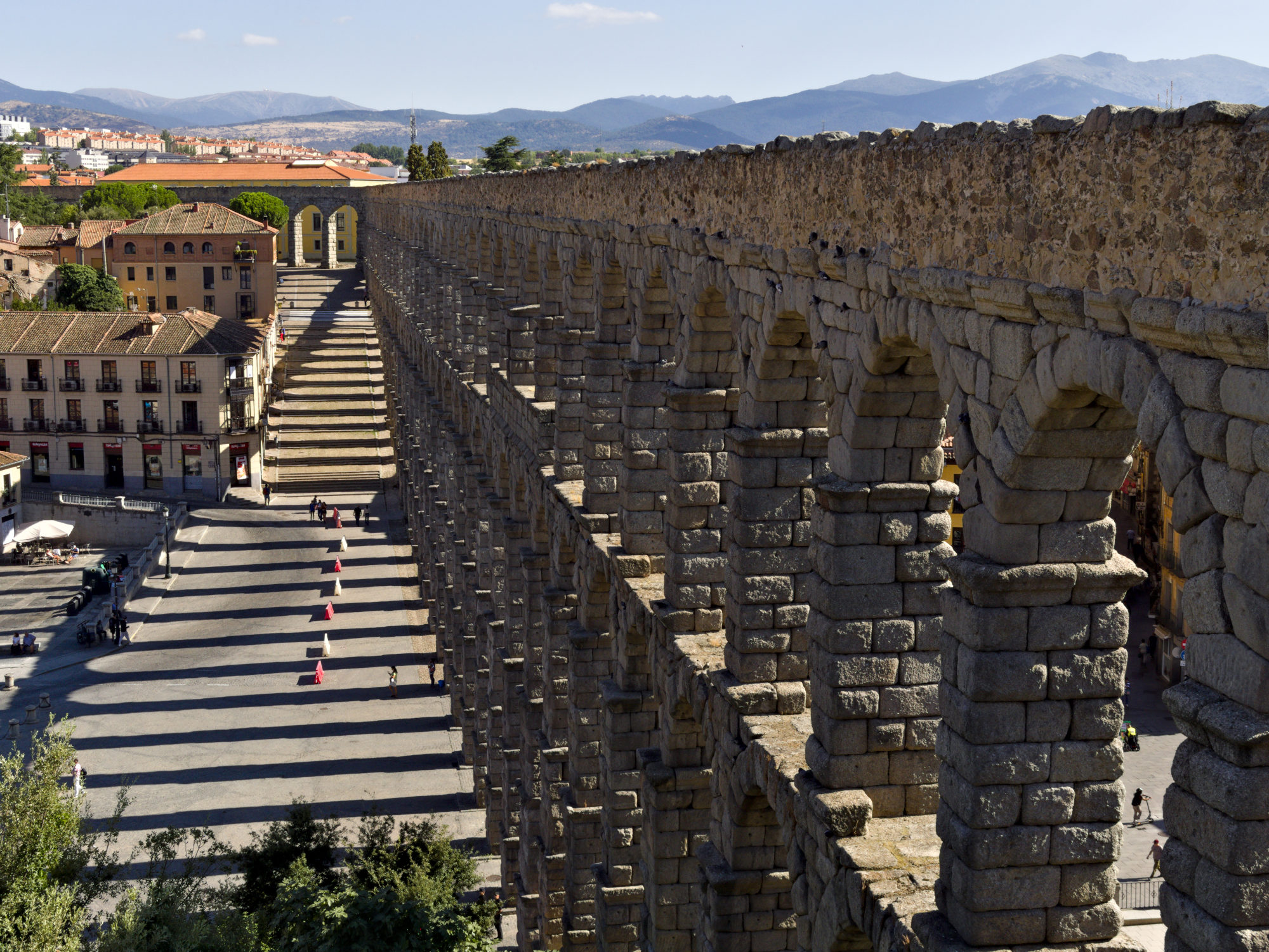
The entrance to the historic center of Segovia is dominated by the long, massive Roman aqueduct. It is simply spectacular. After taking a close look at the structure and the huge blocks of rock used to construct the waterway, you will appreciate even more the engineering skills of ancient architects and builders.
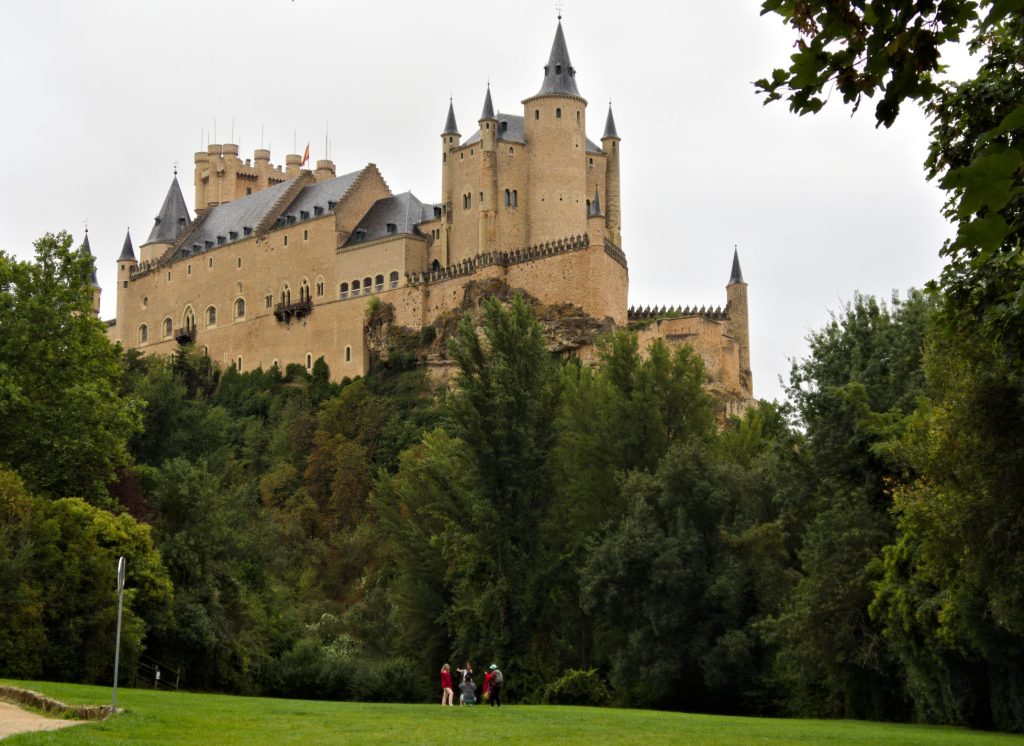
In addition to the aqueduct, there is much more to see in Segovia, and it is all conveniently located in the historic center. If you start your tour (by foot) from the aqueduct, you will find the famous Alcazar Castle at the other end (north side) of the city center. If you manage to view the castle from all angles, it becomes obvious how much it resembles the iconic Disney castle. The Alcazar Castle was built in the 12th century. The history of the city, however, goes back beyond Roman times. The first defensive structures were built on the site already during the Bronze Age.
Segovia is only about 100 km from Madrid, and a popular tourist destination, especially during the summer. If you visit the city during october-april period, take along warm clothes because it is at an altitude of 1000 meters.
Avila
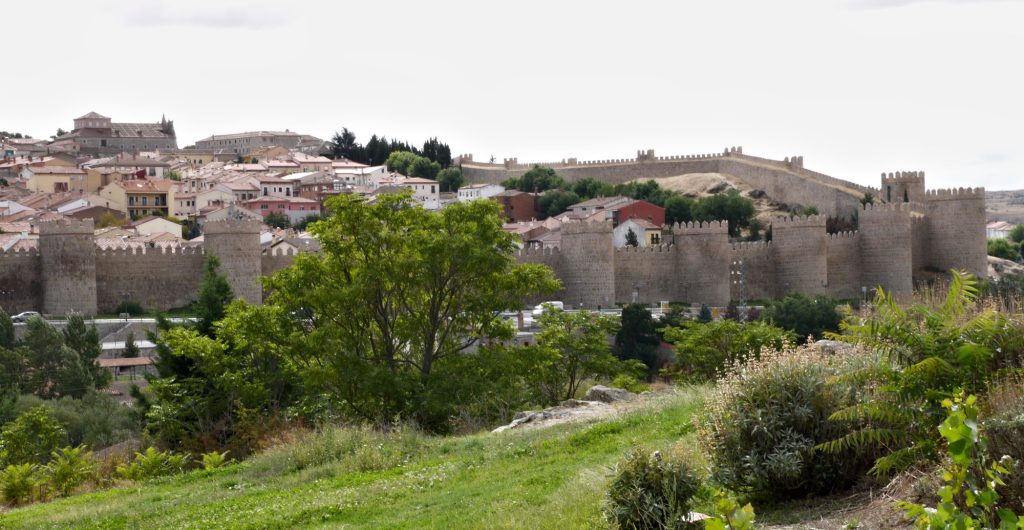
The 1700 meter long wall that protects the medieval center of Avila is one of the most impressive historic walls in Europe, and certainly the most spectacular in all of Spain. It is possible to walk on top of the muralla (as Spanish call it) and get a good view to the ancient city from above. Nine gates allow entrance to the neighborhood inside the walls, and 87 tower-like defensive structures complement the wall.
Work and life goes on in the ancient town center inside the walls (almost) as it has done for more than 2000 years. Romans built the first defensive structures on the site, but the massive wall we can admire today was built in the 11th century, and renovated in the 16th century.
Avila is a compact town at an altitude of 1100 meters, which means that warm clothes are required for exploring the sights – except during warm summer months.
Salamanca

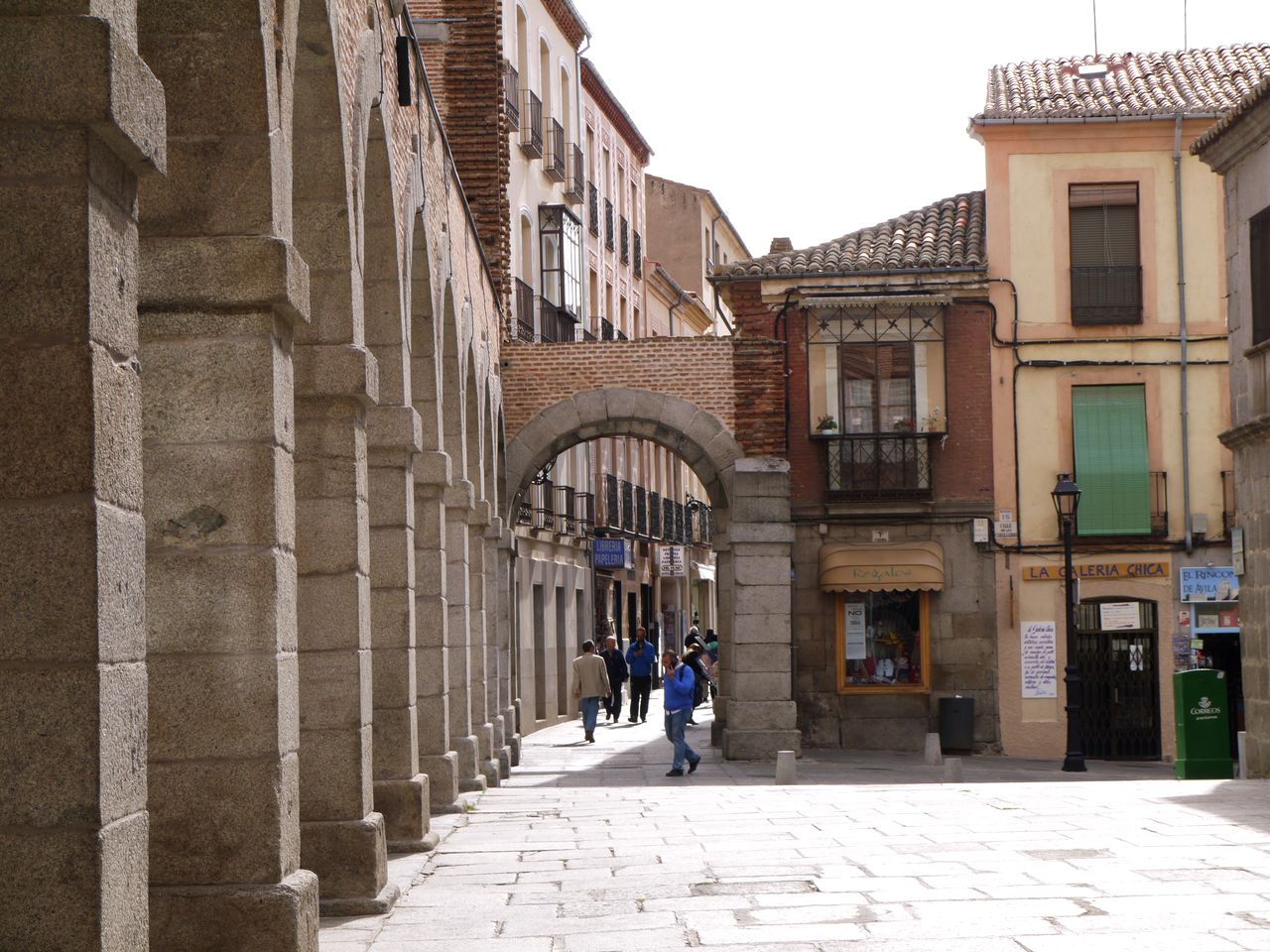
With a population of over 300,000 residents, Salamanca is the busiest and largest city out of the four destinations introduced in this article. It is also the liveliest destination with the youngest population because of the large university that brings both Spanish and foreign students to the city.
The beautiful historic city center is filled with impressive large buildings: university faculties, churches, administrative buildings, palaces, and houses. Narrow streets and alleys zigzag between buildings, making a visitor think: What’s around the next corner? The most famous landmarks in the historic center are the Cathedral (old and new are side by side), Plaza Mayor, the Roman Bridge, the Clerecia Towers (it is possible to ascend to the tower for a view over the roofs), and much more. The university was founded in Salamanca in 1218. The first permanent settlement on the site have been dated to the 4th century B.C. when a rudimentary wall protected inhabitants.
The historic center of the city is fairly large, but walkable. In fact, walking is the best and often, the only way to move around in any ancient European city center. Once, I actually tried cycling in Salamanca on a small folding bicycle, but I believe I walked more than sat on the saddle.
Ciudad Rodrigo

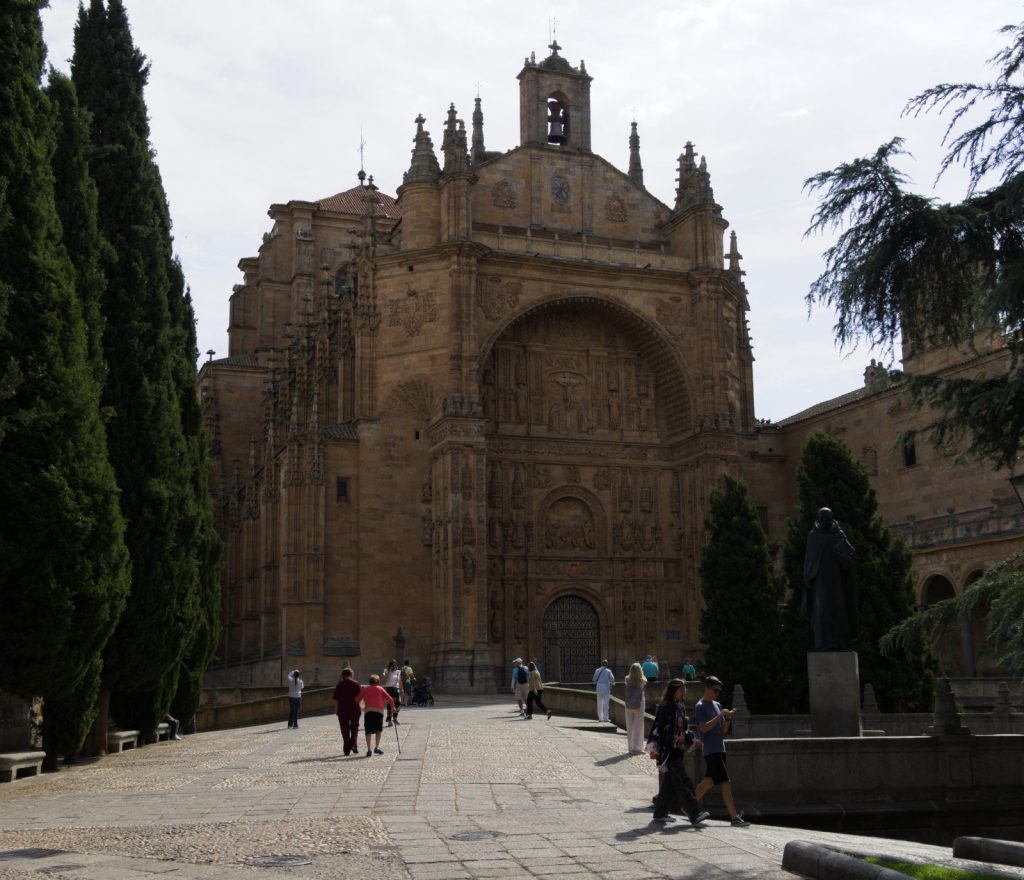
Ciudad Rodrigo may initially look like an ordinary rural town, but the well preserved, unique historic town inside double walls makes it a world class travel destination. The walls around the town were built in the 12th century to keep Portuguese troops in the west and Arab soldiers in the south away from the town. The bastions outside the walls were added in the 18th century. The threat was real even then, since Napoleon’s troops attacked Ciudad Rodrigo in 1810.
The 2000 meter long double walls are visible far away on the relatively flat land near the border with Portugal. Inside the walls, there is plenty to explore, for instance, the Castle Enrique II de Trastámara built in 1372 which has been converted into a Parador hotel, the Cathedral Santa Maria (built between 12th and 14th centuries), Ayuntamiento (Town Hall) building at Plaza Mayor and many other palaces and monuments.
Ciudad Rodrigo is a precious off-the-beaten-path destination where you can explore, wander, and take your time to appreciate the small and large things you find and relate them to past centuries. Tourist crowds haven’t discovered the town yet. There is a parking area for campervans outside the walled town center, although parking wasn’t a problem when I visited the town.