
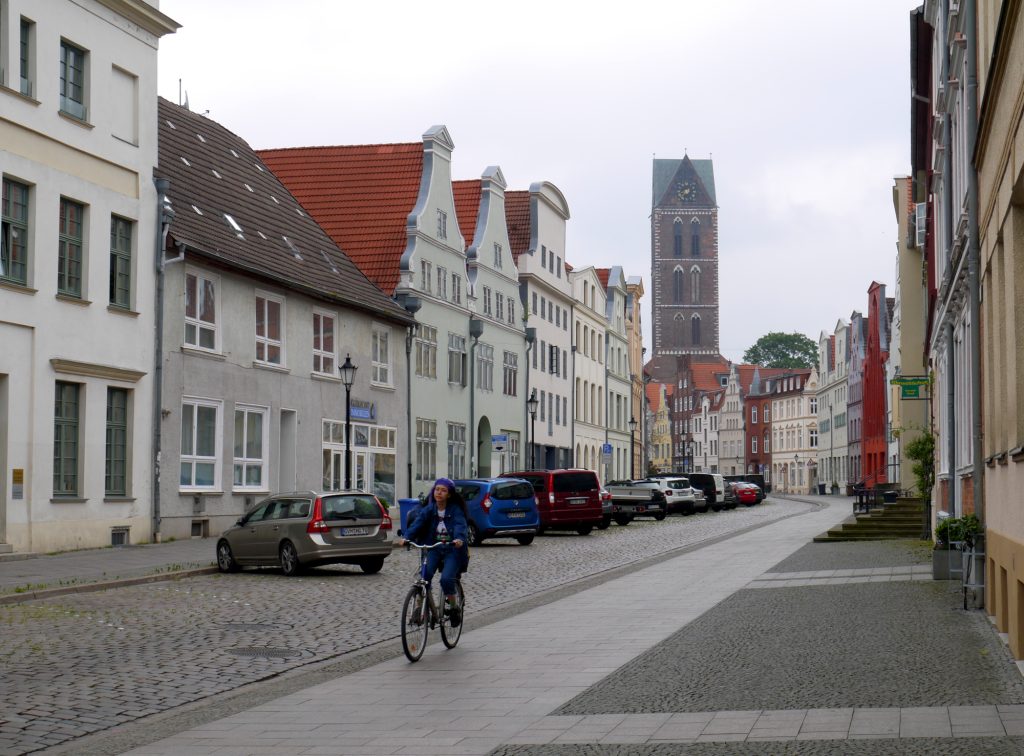
Walking around a city center or hopping on a bus tour are perhaps the most popular ways to see the sights of a city. Instead of walking, during the last ten years I have done my city tours on a bicycle many times. Sure, in a city like New York I wouldn’t touch a bicycle, but in a city like Helsinki cycling is enjoyable. Now, we don’t have to guess which city has a developed cycling infrastructure, and which city only considers cars as the primary transport method. Here is the index for the top 30 cities in the world for moving around on a bicycle.
The index has been developed by Copenhagenize, a consultancy for bicycle mobility. You can find the full report here.
- Utrecht, The Netherlands
- Copenhagen, Denmark
- Ghent, Belgium
- Amsterdam, The Netherlands
- Paris, France
- Helsinki, Finland
- Munster, Germany
- Antwerp, Belgium
- Bordeaux, France
- Nantes, France
- Bonn, Germany
- The Hague, The Netherlands
- Strasbourg, France
- Lyon, France
- Montreal, Canada
- Malmö, Sweden
- Munchen, Germany
- Oslo, Norway
- Wien, Austria
- Bern, Switzerland
- Graz, Austria
- Zurich, Switzerland
- Rotterdam, The Netherlands
- Ljubljana, Slovenia
- Bologna, Italy
- Stockholm, Sweden
- Vitoria-Gasteiz, Spain
- Wroclaw, Poland
- Quebec, Canada
- Vancouver, Canada
Although countries and cities across the world were analyzed for the index, 27 out of 30 cities are in Europe. Only Canada managed to get cities in the top 30. The country of the Tour of France is the winner with five cities in the top 30. Four cities from The Netherlands made it to the top 30, and both Germany and Canada got three cities.
Copenhagenize created the index by ranking three key criteria that are:
- Safe and connected infrastructure that includes things like bicycle infrastructure, bicycle parking areas, traffic calming, and safety.
- Usage and reach analyzes the many types of uses of bicycles, such as bicycle modal share, modal share growth, women’s share of bicycle trips, bicycle sharing systems, and cargo bikes.
- Policy and support for cycling as a transport method considers political commitment, advocacy, the image of the bicycle, and urban planning.
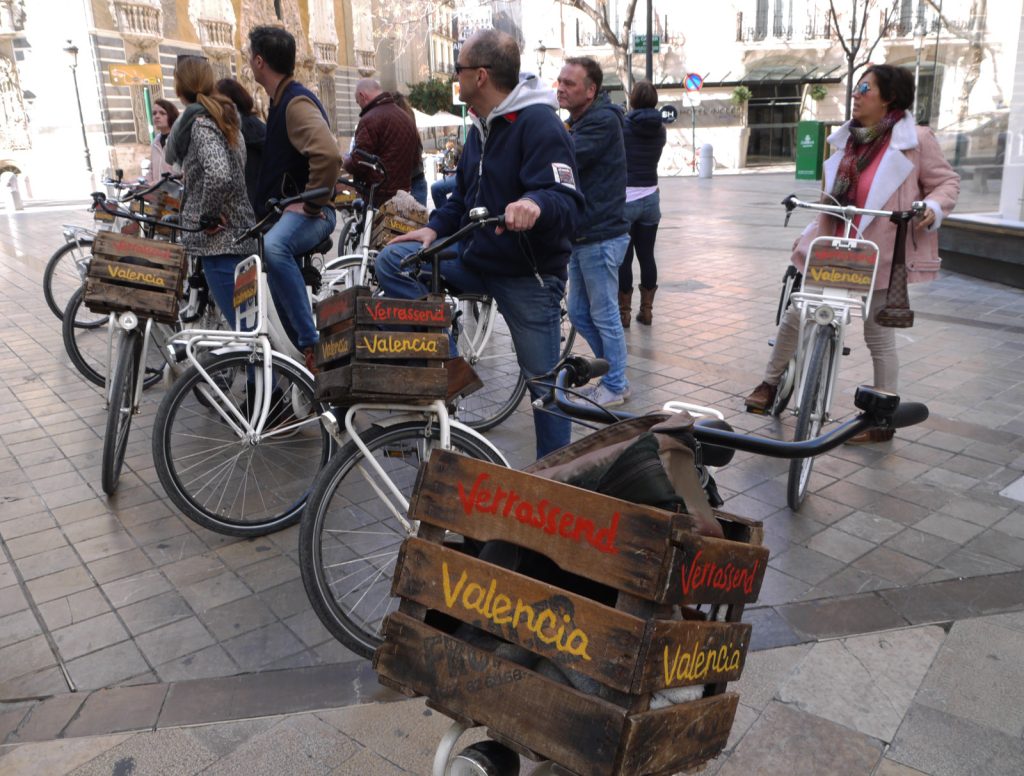
The news on bicycle friendly cities were reported by Cycling Weekly.