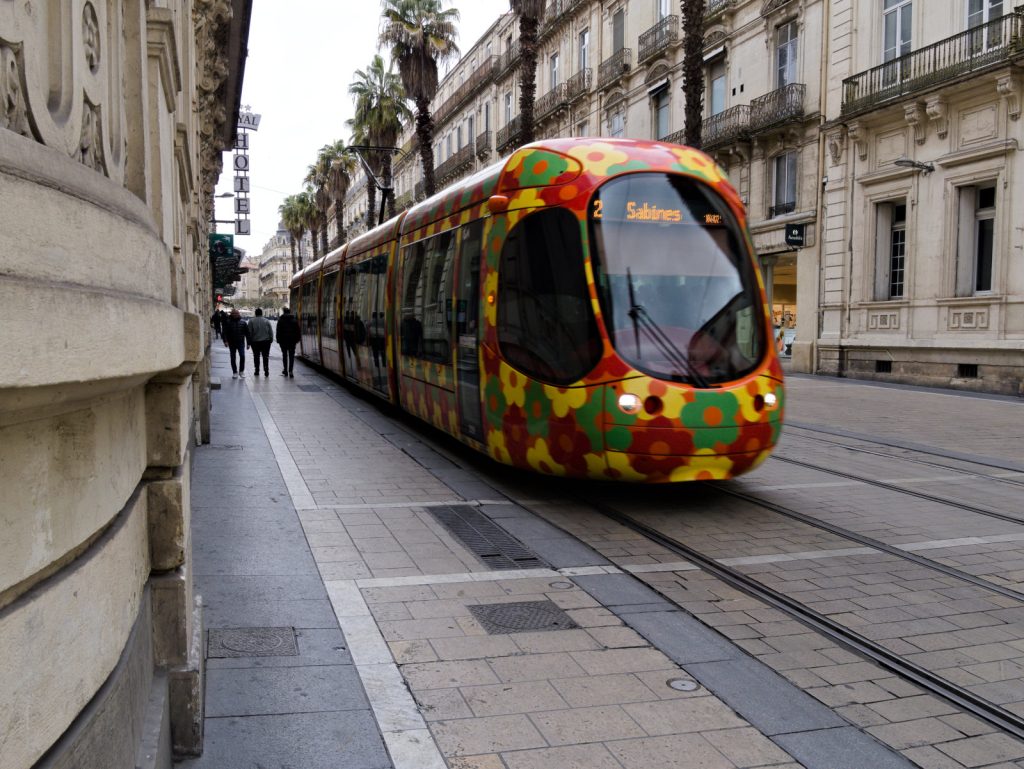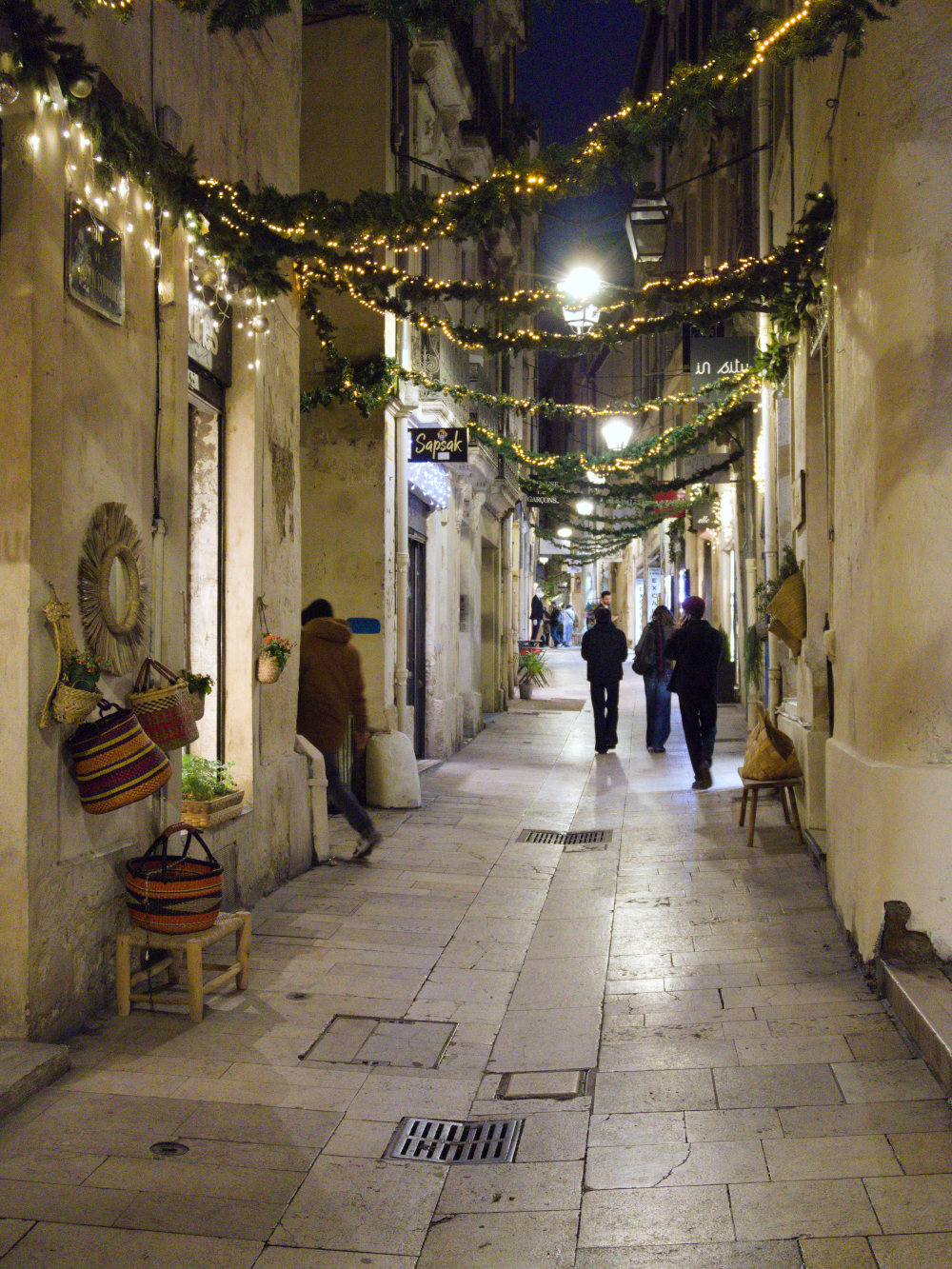
This time, I decided to travel to Montpellier by train. It proved to be the right choice. The main train station Saint-Roch is next to the historic city center. I could walk to the hotel, and then later explore the city by foot, by bicycle or by tram without traffic related problems. As a whole, it was a delightful trip to the visitor-friendly city. Here are the highlights of the Montpellier city center.
I have visited Montpellier before, but that time, I was driving. It wasn’t pleasant. Traffic jams started instantly after exiting the highway. Navigating was difficult, getting lost was easy. There is a big contrast to the trip I made by train. The high-speed train took me directly to the city center. No stress, no parking problems. There are actually very few cars in the city center. Only trams and a few delivery vans. The streets and alleys of the large historic center are entirely reserved for pedestrians. What a relief, and what a difference to vehicle-congested city centers elsewhere.
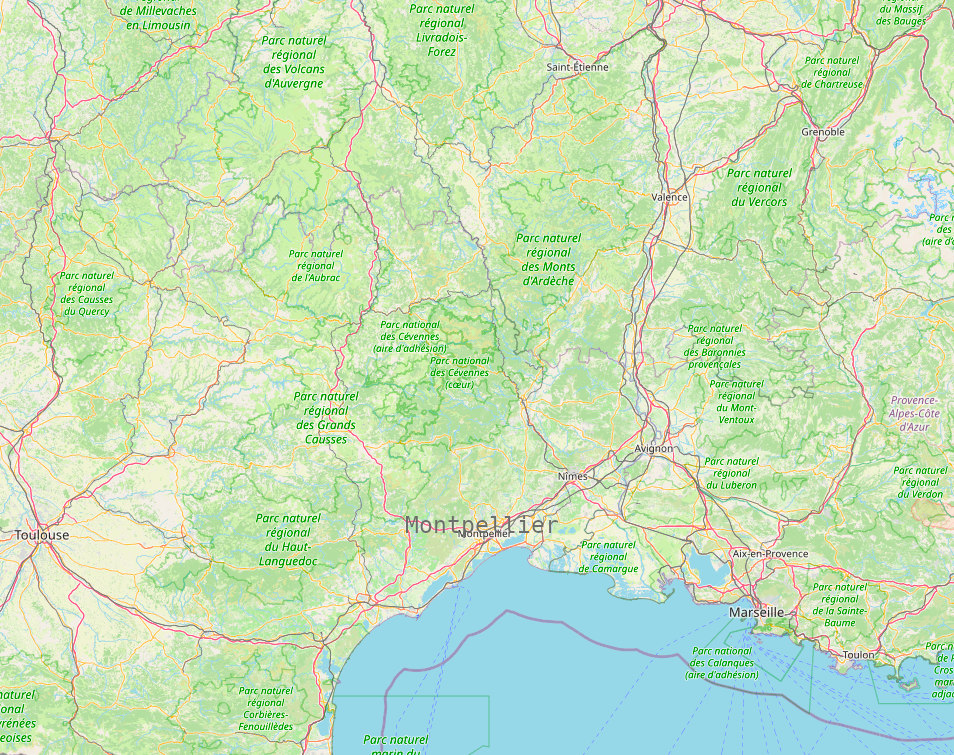
About 520 000 people live in the metropolitan region of Montpellier, about 300 000 of them in the city of Montpellier.
Maybe it is the relatively large student population or something else in the city, but almost everyone speaks English. These residents definitely disagree with the old belief about French and their foreign language skills.
Here are a few landmarks in the city center that are definitely worth visiting, and they also help you to find where you are on a map. It is easy to get confused on directions when walking along streets and alleys, but the following places are marked on every map.
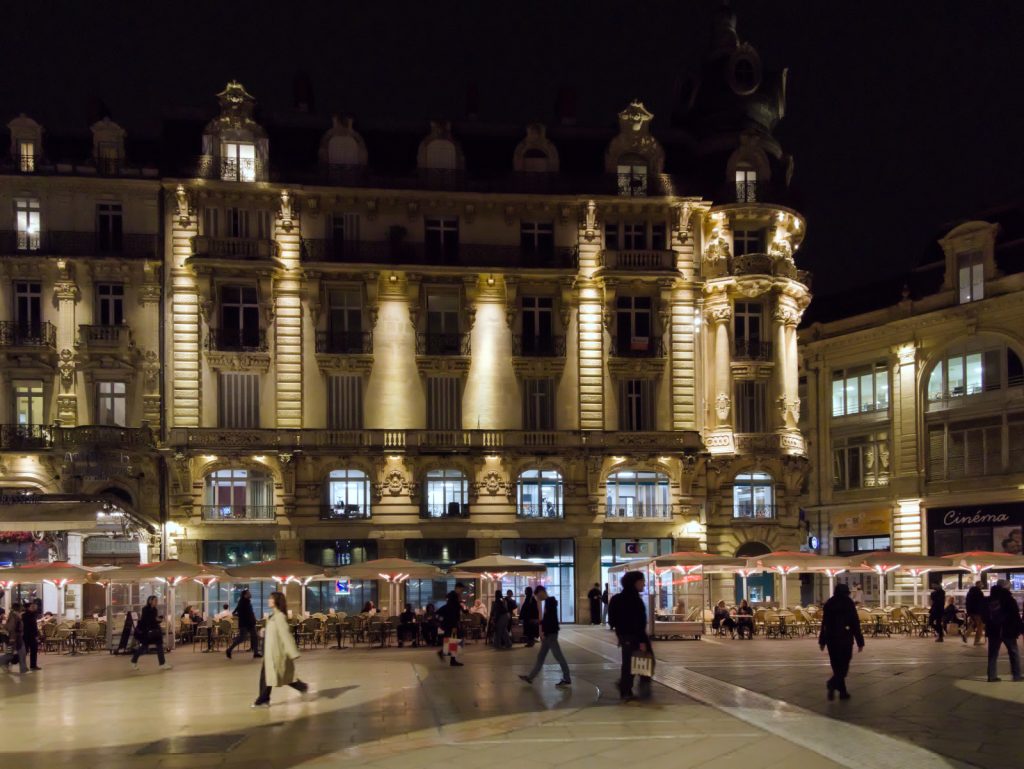
- Place de la Comedie, in the southeast corner of the old city center. The Comedy Square is the largest and busiest square in the center, not far from the Montpellier Sant-Roch train station. Tram lines pass by the square.
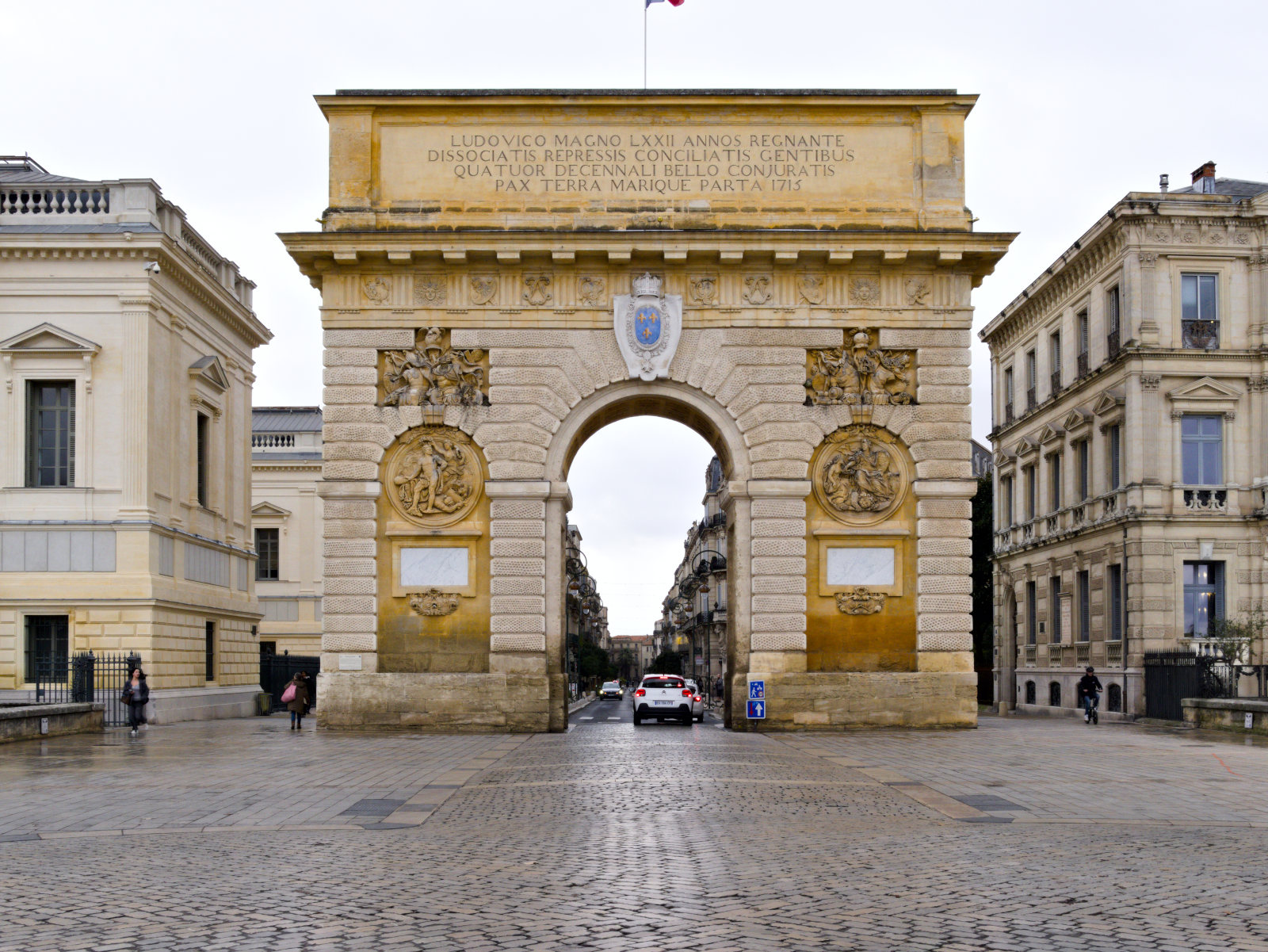
- Arch of Triumph (Arc de Triomphe), west side. The Montpellier Arch looks quite similar to the one in Paris (which is bigger), but it is the Arch in Montpellier (1692) that is 144 years older than the similar structure in Paris (1836).
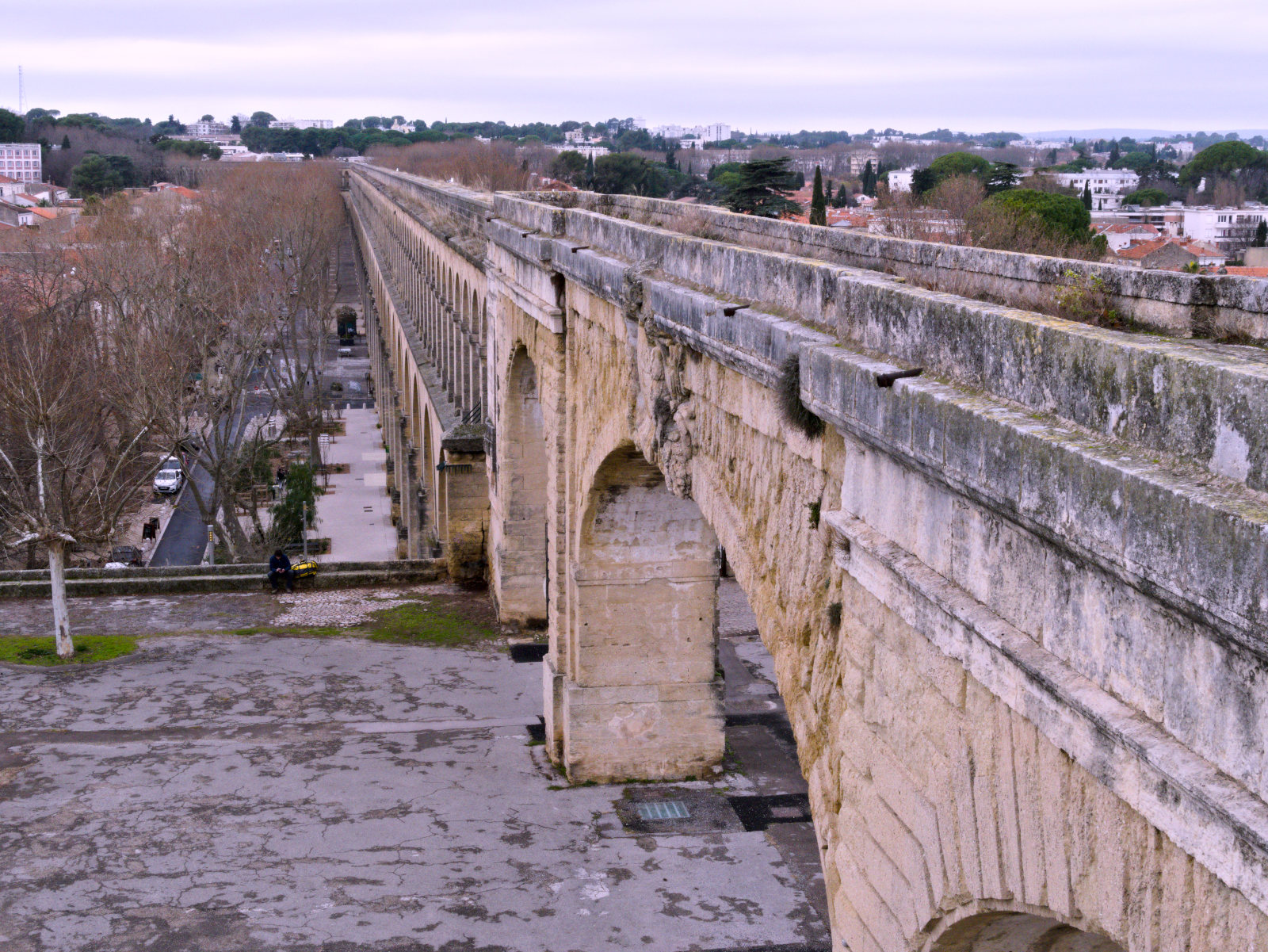
- Aqueduct (Aqueduc des Arceaux, also known as Saint-Clement), west side. The aqueduct was ready to flow water to the city in 1765.
- Cathedral Saint-Pierre, northwest. The cathedral is larger than photographs indicate, and it has its own unique, beautiful style. The original church on this location was built in 1346. It was upgraded to cathedral in 1536. In the 16th century religious wars were raging in the region, and the robust towers had a crucial role in defensive battles.
- Saint-Roch Church (Eglise Saint-Roch), south. The wide stairs at the entrance of the church is a popular meeting place and also having a snack – although there are cafes at the square. The church was built in the 19th century.
- Square of the Martyrs (Place des Martyrs de la Resistance), at the center of the historic city. The name of the square respects the resistance movement during the Second World War. The large fountain is a popular selfie spot during the day and during evening when lights add even more visual spectacle. Rue Foch leads directly from the square to the Arch of Triumph.
- Rue des Ecoles Laigues, street leading from north to the center. A popular avenue full of life, activity, shops and restaurants.
- Rue de l’Universite, street leading from north to the center. Similar as the Rue des Ecoles Laigues. Bars and cafes on both streets benefit from students in large educational institutions in the north.
The river Le Lez is a nice place to have a slow walk or make a bicycle tour away from the buzz of the city center, or a morning run with locals (and their dogs). There are pretty buildings, bridges, parks, and statues along the river banks, so don’t forget your camera or phone.
For summertime visitors, fabulous Mediterranean beaches are only 15 km away from the city center. The famous 12 km long dune beaches of Sete are a bit further in the south.
Montpellier tourism office web pages have information on guided tours and trams, among many other things.